If you’re wondering how successful shoulder replacement surgery is, research and patient reports suggest that a large majority experience pain relief and improved shoulder function. In this post, we’ll review success rates, factors that influence outcomes, and what patients can expect during recovery.
Key Takeaways
- Shoulder replacement surgery has been shown to reduce pain and improve function for many patients, with success rates reported up to 95%.
- Factors influencing surgery success include the surgeon’s experience and patient health, highlighting the importance of choosing a qualified surgeon.
- The recovery process typically consists of an initial healing phase during which the shoulder is protected in a sling followed by formal physical therapy or home exercise program to restore strength, flexibility, and shoulder function.
Understanding Shoulder Replacement Surgery
Shoulder replacement surgery is a procedure that aims to relieve severe shoulder pain and improve joint function. It involves replacing the damaged parts of the shoulder joint with artificial implants.
The shoulder is a ball-and-socket joint made up of the humerus, scapula, and clavicle bones. It is primarily stabilized and powered by the rotator cuff, a group of four muscles and tendons.
Conditions such as osteoarthritis and rotator cuff injuries are common reasons for shoulder replacement. Osteoarthritis leads to the degeneration of cartilage, causing bones to rub against each other and resulting in significant pain. Similarly, damage to the shoulder joint from rotator cuff injuries can be severe, affecting function. These conditions may cause symptoms like progressive stiffness, a grinding sensation, and persistent pain that doesn’t improve with non-surgical treatments.
There are two primary types of shoulder replacement:
- Total shoulder replacement involves replacing both the ball and socket to mimic the patient’s natural anatomy.
- Reverse shoulder replacement is designed for patients with irreparable rotator cuffs, altering the joint mechanics to allow the deltoid muscle to compensate for the damaged rotator cuff.
Success Rates of Shoulder Replacement Surgery
Many studies show that about 90-95% of patients report less pain and improved function following shoulder replacement surgery. These numbers reflect the generally high success rate of the procedure, as most patients experience a marked improvement in symptoms during the healing process.
Factors Influencing Surgical Success
The success of shoulder replacement surgery is influenced by several factors. One of the most important is the experience and skill of the orthopedic surgeon performing the procedure. Surgeons who perform a high volume of joint replacements may achieve better patient outcomes and fewer complications. This correlation highlights the importance of selecting a well-experienced surgeon.
Individual health factors also play a role. Certain medical conditions may limit candidacy for surgery. Additionally, patients who enter surgery with a positive mindset and realistic expectations may experience better outcomes.
Comparing Anatomic and Reverse Shoulder Replacements
Anatomic total shoulder replacements and reverse shoulder replacements serve different patient needs and conditions. Anatomic total shoulder replacement mimics the natural anatomy of the shoulder and is typically recommended for patients with intact rotator cuff tendons.
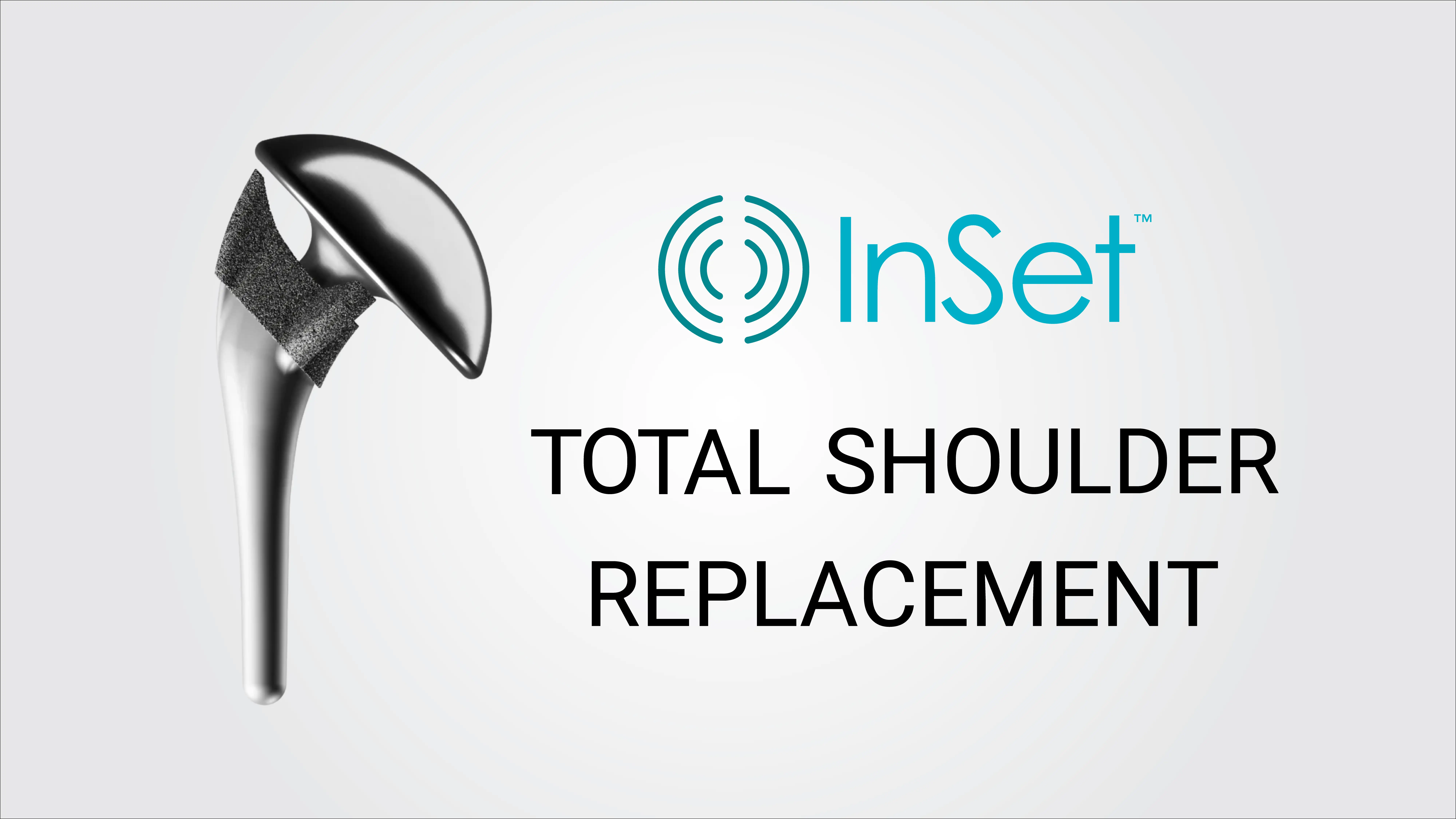
In contrast, reverse shoulder replacements are primarily designed for patients with damaged rotator cuffs, with the goal of allowing them to regain arm elevation and rotation by relying primarily on the deltoid muscle. However, the reverse shoulder is now performed in patients with normal rotator cuff function as well. The databases or shoulder joint registries in the United States, Europe, and Australia show that reverse shoulder replacement now accounts for more than 70% of shoulder replacements performed.
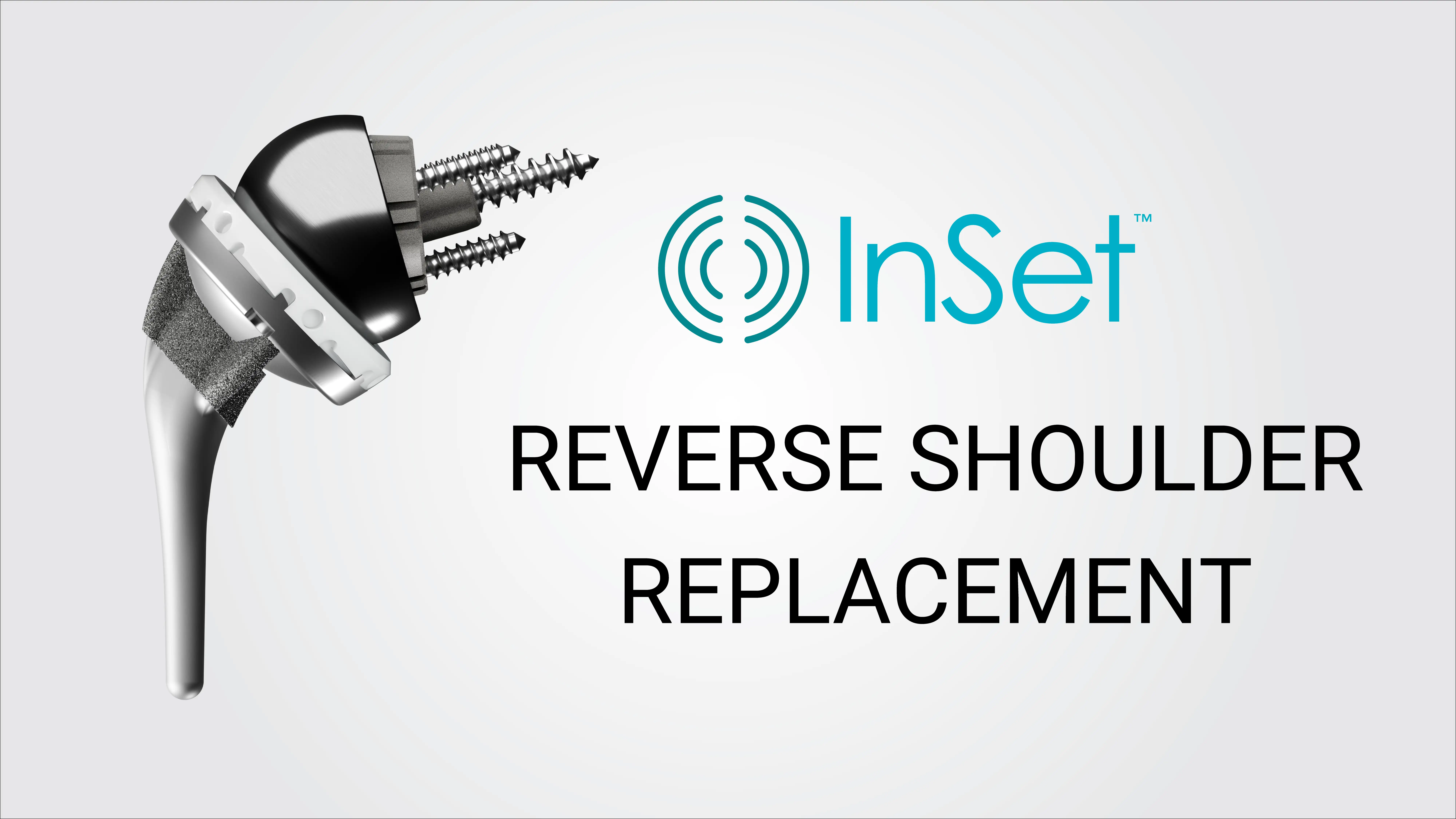
Both types of shoulder replacement surgery aim to relieve severe shoulder pain and improve shoulder function. The choice between anatomic and reverse shoulder replacements depends largely on the condition of the patient’s shoulder.
Understanding these options and discussing them with an experienced shoulder specialist can help patients make informed decisions about their surgical care.
Recovery After Shoulder Replacement Surgery
The recovery process after shoulder replacement surgery involves both initial healing and long-term rehabilitation. In the following subsections, we’ll take a closer look at these recovery phases to understand what shoulder replacement patients can expect.
Initial Healing Phase
During the initial healing phase, patients may experience temporary pain due to the surgery. Effective pain management is important during the early stages of recovery to minimize discomfort and aid in the healing process. Nonsteroidal anti-inflammatory drugs (NSAIDs) and ice are commonly recommended to aid in pain management.
Patients generally wear a sling for 4-6 weeks following surgery to protect the shoulder joint and maintain proper alignment during the early stages of healing.
While recovery times vary, by around three months post-surgery, many patients may return to some daily activities. Full recovery often takes around six months to a year.
Regular follow-up appointments with the medical team and continuous engagement in physical therapy support patients in staying on track with their recovery. With dedication and proper shoulder care, many patients experience a successful recovery and return to daily activities.
How to Choose the Right Surgeon
Choosing the right surgeon for shoulder replacement surgery is an important step toward a successful procedure and recovery.
To find the right shoulder surgeon for you, consider taking the following steps:
- Gather recommendations from trusted individuals or healthcare professionals.
- Prepare a list of questions about the surgeon’s experience and surgical results.
- Review qualifications (board certification, case volume, outcomes).
- Confirm insurance coverage to avoid unexpected costs.
Summary
Shoulder replacement surgery can provide meaningful relief from severe shoulder pain and restore function for many patients. Success rates depend on factors like surgeon expertise, patient health, and commitment to rehabilitation. Choosing the right surgeon, understanding the types of shoulder replacements, and knowing what to expect during the recovery process can be key to a successful outcome.
Frequently Asked Questions
What should a patient expect after shoulder replacement surgery?
Post-surgery, patients can expect temporary shoulder pain, a structured rehabilitation program with physical therapy, and a gradual return to light activities. It’s typically important to follow specific guidance from your surgeon for optimal recovery.
What are the potential benefits of total shoulder replacement surgery?
For many patients, total shoulder replacement surgery can relieve pain, enhance shoulder movement, and help patients resume their daily activities. This can improve overall quality of life.
What are the components of the shoulder joint?
The shoulder joint is formed by three bones: the humerus, scapula, and clavicle. Tendons, ligaments, and muscles work together to provide stability and motion.
What type of joint is the shoulder joint?
The shoulder joint is a ball-and-socket joint, enabling a wide range of motion in all directions. This design allows for greater flexibility and mobility compared to other joint types.
What stabilizes and moves the shoulder bones?
The rotator cuff is important for both stabilizing and moving the shoulder bones effectively. This group of muscles and tendons provides proper function and support of the shoulder joint.