Shoulder pain and dysfunction can interfere with quality of life, often leading individuals to explore surgical solutions. Among the most effective treatments for severe shoulder arthritis and other debilitating conditions are shoulder replacement surgeries. These procedures, categorized into anatomic total shoulder replacement and reverse shoulder replacement, aim to offer pain relief and restoration of function.
Understanding the nuances between these two advanced surgical options is important for patients considering their treatment pathways. In this post, we’ll take a close look at anatomic and reverse shoulder replacements, providing detailed insights into their indications, procedural differences, success rates, and the factors influencing patient outcomes.
Key Takeaways
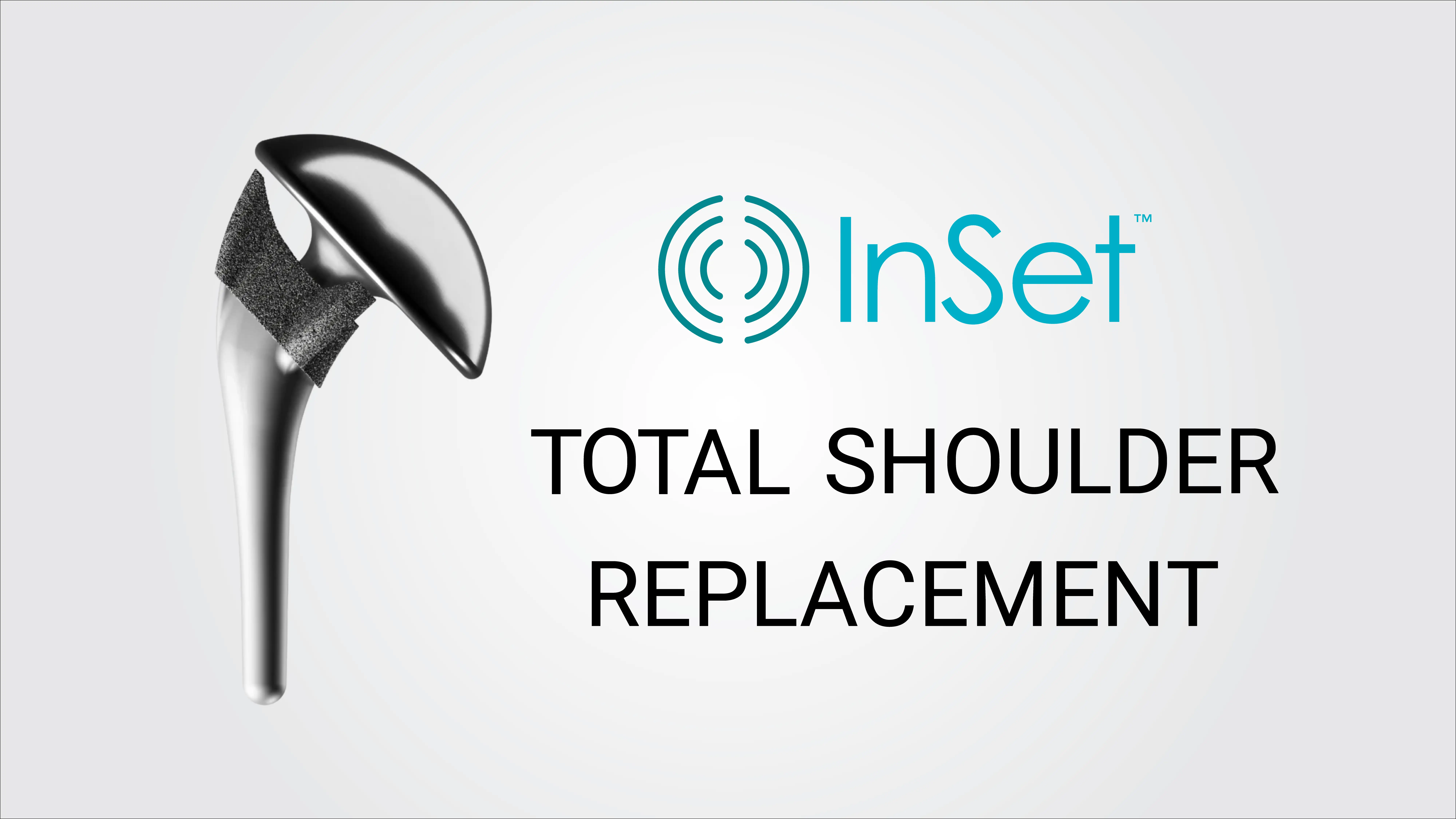
- Anatomic total shoulder replacement mimics the natural anatomy of the shoulder, replacing the humeral head with a ball and the glenoid (socket) with a plastic component.
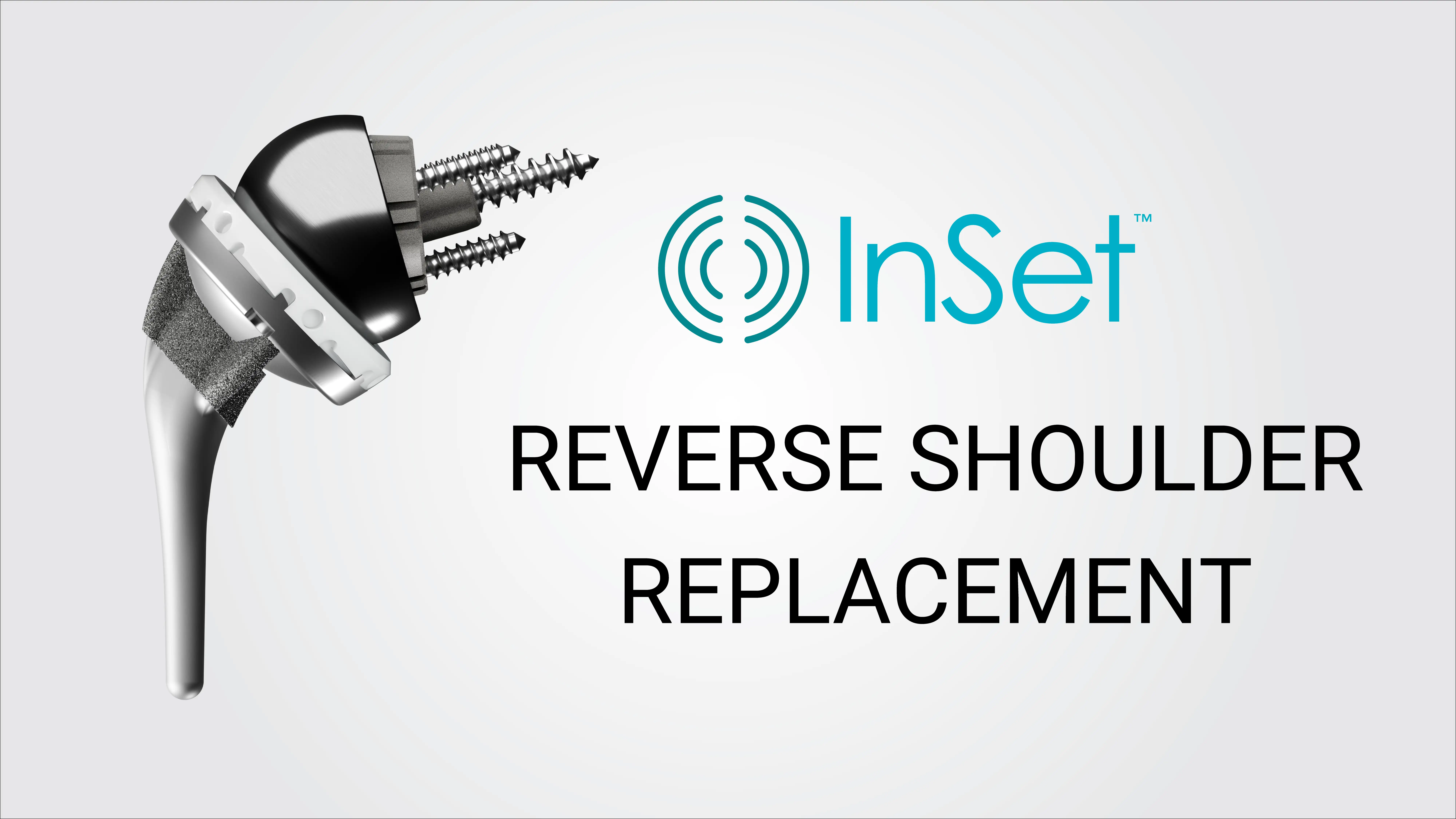
- Reverse shoulder replacement reverses the ball-and-socket configuration, allowing the deltoid muscle to power arm movement, often compensating for a damaged rotator cuff.
- The landscape of shoulder arthroplasty has seen a significant shift, with reverse procedures increasing dramatically, now accounting for a majority of all shoulder replacements.
- Both anatomic and reverse shoulder replacements boast high patient satisfaction rates, often exceeding 90%, with significant improvements in pain relief and functional mobility.
Understanding Shoulder Anatomy and Arthritis
The shoulder is a complex ball-and-socket joint, composed of three main bones: the humerus (upper arm bone), the scapula (shoulder blade), and the clavicle (collarbone). The head of the humerus forms the ball, which fits into the glenoid, a shallow socket on the scapula. Surrounding this joint is the rotator cuff, a group of four muscles and their tendons that stabilize the shoulder and enable a wide range of motion, including lifting and rotating the arm.

Arthritis, particularly osteoarthritis, is a common culprit behind chronic shoulder pain and limited mobility. In osteoarthritis, the smooth cartilage cushioning the ends of the bones wears away, leading to friction, pain, stiffness, and the formation of bone spurs. Other forms of arthritis, such as rheumatoid arthritis or post-traumatic arthritis, can also severely damage the shoulder joint. When conservative treatments like medication, physical therapy, and injections no longer provide adequate relief, shoulder replacement surgery may become a viable solution.
Total Shoulder Replacement
Anatomic total shoulder replacement is a surgical procedure designed to restore the shoulder’s natural anatomy. It is frequently recommended for patients suffering from severe shoulder arthritis where the rotator cuff tendons are still intact and functioning well.
The Procedure
In a total shoulder replacement, the damaged humeral head (the ball of the joint) is removed and replaced with a metal ball attached to a stem that is inserted into the humerus. The damaged glenoid (the socket) is resurfaced with a smooth, durable plastic component, which is cemented into the scapula. The goal is to replicate the natural ball-and-socket mechanics of the shoulder, allowing for smooth, pain-free movement powered by the patient’s own rotator cuff muscles.
Indications for Total Shoulder Replacement
The primary indication for this procedure is severe osteoarthritis, especially when accompanied by pain, stiffness, and loss of function that has not responded to non-surgical treatments. A functional rotator cuff is typically a prerequisite for a successful total shoulder replacement, as these muscles are essential for controlling the movement and stability of the newly implanted joint.
Success Rates and Outcomes of Total Shoulder Replacement
Anatomic total shoulder replacement has a long track record of success in providing pain relief and improved range of motion for well-selected patients. Patient satisfaction rates for shoulder replacements generally hover around 90%.
Studies show that anatomic shoulder implants have excellent long-term durability. Reports show that approximately 90% of anatomic shoulder implants are still functioning well 10 years after surgery.
Patients typically experience substantial improvements in daily activities, such as reaching overhead, dressing, and sleeping without pain. The goal is to restore near-normal shoulder mechanics and function.
Reverse Shoulder Replacement
Reverse shoulder replacement is a more recent innovation in shoulder arthroplasty, specifically designed for patients with complex shoulder problems, particularly those involving a damaged or non-functional rotator cuff. A reverse shoulder replacement alters the natural ball-and-socket configuration of the shoulder.
The Procedure
In this procedure, the ball and socket components are reversed. A metal ball is fixed to the scapula where the natural socket used to be, and a plastic socket is attached to a stem that is inserted into the humerus. This reversal changes the center of rotation of the shoulder joint, allowing the deltoid muscle (the large muscle covering the shoulder) to become the primary mover of the arm. This design compensates for a deficient rotator cuff with the goal of enabling patients to lift their arm even without functional rotator cuff tendons.
Indications for Reverse Shoulder Replacement
Reverse shoulder replacement may be a transformative option for patients who would not be good candidates for a conventional shoulder replacement due to rotator cuff issues. Key indications may include:
- Rotator Cuff Tear Arthropathy: This is the most common indication, where a long-standing rotator cuff tear leads to arthritis and dysfunction.
- Irreparable Rotator Cuff Tears: Patients who cannot actively lift their arm due to a large, irreparable rotator cuff tear.
- Complex Proximal Humerus Fractures: Particularly in older patients with poor bone quality or those with associated rotator cuff damage, reverse shoulder replacement may provide a more reliable outcome than traditional repair.
Success Rates and Outcomes of Reverse Shoulder Replacement
Reverse total shoulder replacement has revolutionized the treatment of complex shoulder conditions. Patients undergoing reverse shoulder replacement also report high satisfaction rates, often exceeding 90%, with substantial improvements in pain and the ability to perform activities of daily living. Studies report a 10-year implant survival rate of over 93%.
Trends in Shoulder Arthroplasty Utilization
The landscape of shoulder replacement surgery has evolved considerably over the past decade, with a notable shift in the types of procedures performed. Recent data indicate significant trends in the utilization of total and reverse shoulder replacements.
- Overall Procedures: An estimated nearly 200,000 shoulder arthroplasty procedures are performed nationwide each year.
- Rise of Reverse Procedures: Reverse shoulder replacementshave seen a dramatic increase in use, now accounting for roughly 70% or more of all shoulder replacements, compared to about 40% a decade ago.
- Decline of Hemiarthroplasty: Hemiarthroplasty, which involves replacing only the humeral head, now represents a very small fraction (around 1%) of shoulder replacement procedures.
These trends highlight the increasing recognition of reverse shoulder replacement’s effectiveness. It is now used for a broader range of complex shoulder pathologies. This particularly includes those involving rotator cuff deficiency.
Factors Influencing Success and Patient Selection
The decision between an anatomic and reverse shoulder replacement is a complex one, tailored to each patient’s unique circumstances. Several factors play a pivotal role in determining the most appropriate procedure and influencing overall success:
- Surgeon’s Experience: The expertise and volume of procedures performed by the surgeon are paramount. High-volume surgeons typically achieve better patient outcomes and lower complication rates.
- Patient’s Overall Health: General health status can all impact recovery and outcomes.
- Bone Quality: Adequate bone stock and quality are important for secure implant fixation in both procedures.
- Activity Level and Expectations: The patient’s lifestyle, activity goals, and realistic expectations for recovery and function support shared decision-making.
- Age: While not an absolute determinant, age can influence bone quality and the likelihood of rotator cuff integrity.
An experienced shoulder surgeon can evaluate the condition and help guide if shoulder replacement is right for you, along with which type is recommended.
Rehabilitation and Recovery
Recovery from both anatomic and reverse shoulder replacement involves a structured rehabilitation program. Physical therapy is often essential for restoring strength, flexibility, and range of motion. While the specific exercises and timelines may vary between the two procedures, the general principles typically remain the same:
- Initial Phase: Focus on pain management, protecting the healing tissues, and gentle passive range of motion exercises. The arm is typically immobilized in a sling.
- Intermediate Phase: Gradual progression to active-assisted and active range of motion exercises, with light strengthening as tolerated.
- Advanced Phase: Continued strengthening, functional training, and return to more demanding activities, guided by the surgeon and physical therapist.
Full recovery can take several months to a year or longer, and patient adherence to the rehabilitation program is a key predictor of long-term success.
Summary
Both anatomic and reverse total shoulder replacements are often highly effective surgical interventions for individuals suffering from debilitating shoulder conditions. Anatomic shoulder replacement may be the preferred choice for patients with an intact rotator cuff and severe arthritis. This procedure aims to restore the shoulder’s natural biomechanics. Reverse shoulder replacement can offer renewed function for those with compromised rotator cuffs or severe deformity that is not easily corrected with an anatomic design.
The decision between these two procedures is a nuanced one. Requiring careful consideration of the patient’s specific pathology, rotator cuff integrity, bone quality, and overall health. With high success rates and continuous advancements in surgical techniques and implant design, both procedures offer a significant opportunity for pain relief and improved quality of life. Consulting with a specialized orthopedic surgeon is the essential first step in navigating these options and determining the best path toward a healthier, more functional shoulder.
Frequently Asked Questions
How long does shoulder replacement surgery last?
The longevity of shoulder replacement implants has significantly improved with advancements in materials and surgical techniques. While individual results vary, many modern shoulder replacements are expected to last 10 to 15 years or even longer. Factors such as patient activity level, bone quality, and adherence to post-operative care can influence implant lifespan.
Can I return to sports after shoulder replacement?
Many patients can return to recreational sports and activities after shoulder replacement, but the type and intensity of activity will depend on the individual, the type of replacement, and the surgeon’s recommendations. Low-impact activities like swimming, golf, and cycling are often encouraged. High-impact or contact sports may be restricted to protect the implant and surrounding tissues. Your surgeon will provide specific guidance based on your recovery and the demands of your desired activities.
Are there non-surgical alternatives to shoulder replacement?
Yes, non-surgical treatments are typically the first line of defense for shoulder arthritis and other conditions. These may include rest, activity modification, pain medications (over-the-counter or prescription), injections, and physical therapy. When these conservative measures fail to provide adequate pain relief and functional improvement, shoulder replacement surgery may be considered.
What are the signs that I might need a shoulder replacement?
You might be a candidate for shoulder replacement if you experience persistent, severe shoulder pain. This pain interferes with daily activities and sleep. You may also have significant loss of motion or weakness in the shoulder. Additionally, conservative treatments have not provided relief. A thorough evaluation by an orthopedic surgeon is often necessary. This includes a physical examination and imaging studies (X-rays, MRI). These tests help determine if shoulder replacement is the right option for you.