Wondering about arthroscopy, shoulder replacement, rotator cuff repair, or another type of shoulder surgery? In this post, we’ll cover some common types of shoulder surgery, detailing the procedures and what to expect during recovery.
Key Takeaways
- Rotator cuff repair, shoulder arthroscopy, and total shoulder replacement are common types of shoulder surgeries that aim to restore function and reduce pain.
- Minimally invasive techniques, such as arthroscopic surgery, may offer quicker recovery and reduced pain compared to traditional open surgery.
- Recovery times vary by procedure, with rehabilitation playing a key role in achieving optimal outcomes.
Shoulder Arthroscopy
Shoulder arthroscopy is a minimally invasive surgical procedure used to diagnose and treat a variety of shoulder conditions. It involves inserting a tiny camera and instruments through small incisions, allowing for treatment without a large open incision.
Shoulder arthroscopy may be used to treat a variety of conditions, including:
- Rotator cuff tears
- Labral injuries
- Bone spurs
- Frozen shoulder
- Shoulder impingement
Arthroscopic shoulder surgery may offer several advantages over traditional open surgery, including smaller incisions, reduced pain, and shorter recovery times. However, as with any surgical procedure, there are potential risks.
Depending on the complexity and type of the injury, open surgery may be the preferred option. An experienced orthopedic surgeon can evaluate the condition and help guide the best treatment path for you.
Total Shoulder Replacement
Total shoulder replacement surgery may be recommended for individuals with advanced arthritis, complex fractures, or irreparable shoulder issues that do not respond to non-surgical treatments. The primary goal of this surgery is to alleviate pain and improve the functionality of the worn shoulder joint.

This procedure replaces the worn shoulder joint with artificial components, metal for the ball and plastic for the socket, mimicking the shoulder’s natural anatomy.
Recovery Expectations
The initial phase of rehabilitation typically focuses on reducing pain and swelling while protecting the surgical repair. Patients generally wear a sling for several weeks and begin progressive physical therapy to help enhance shoulder mobility and strength.
Full recovery can take several months to a year, but most patients experience improvements in pain and function within the first few months.
Reverse Shoulder Replacement
Reverse shoulder replacement is most often recommended for patients with large, irreparable rotator cuff tears. Patients with severe rotator cuff tears may find that traditional shoulder replacements do not provide adequate relief.
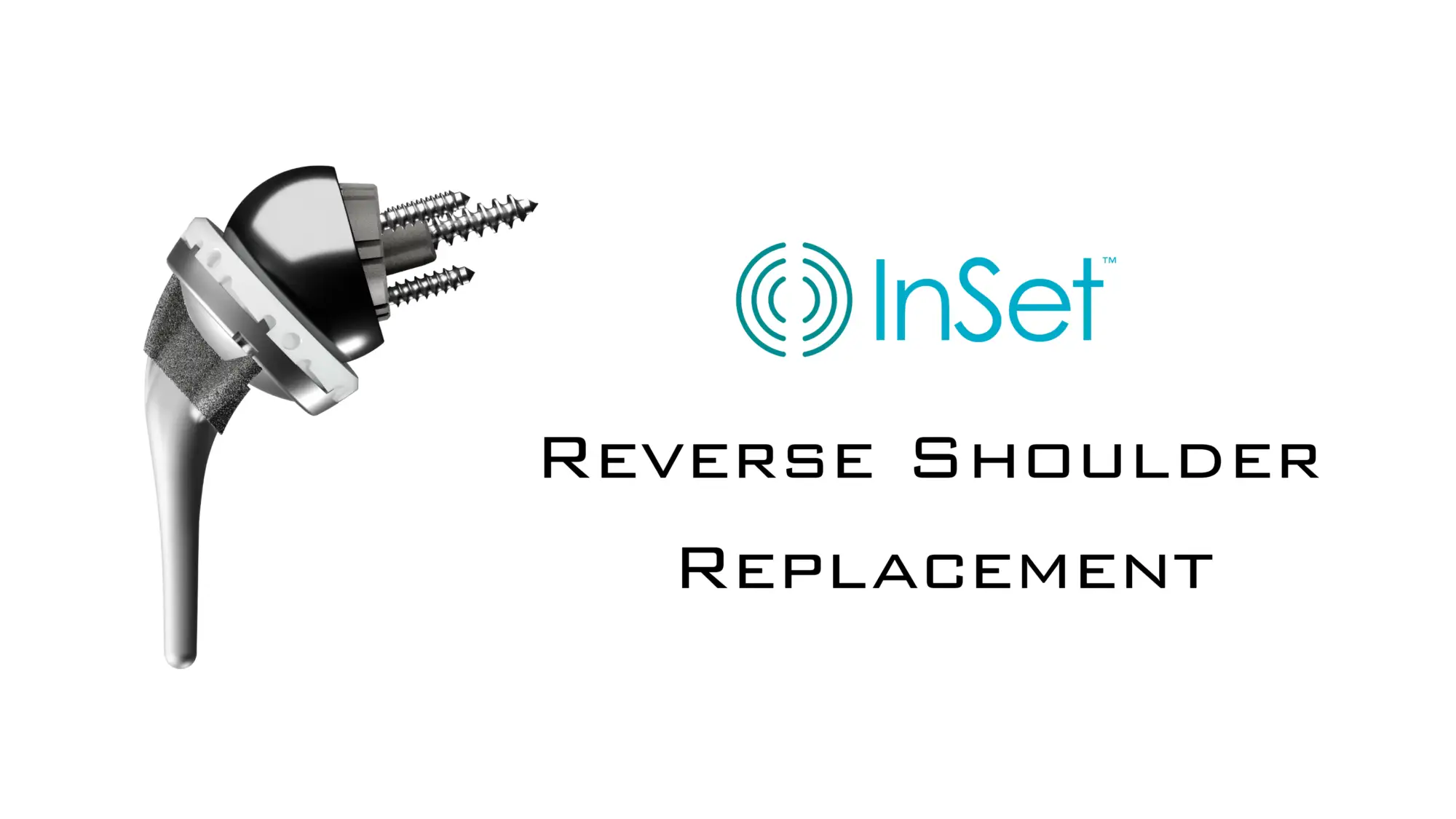
In this procedure, the ball and socket positions are switched, allowing the deltoid muscle to lift the arm instead of the damaged rotator cuff. It can benefit individuals who haven’t seen improvement from other treatments and may result in pain relief and improved shoulder function.
Recovery Expectations
Recovery after a reverse shoulder replacement typically spans about six months to a year. Patients usually need to wear a sling for several weeks after surgery to support the arm while it heals. Physical therapy and or home exercises are an important part of recovery, aiming to help patients regain strength and range of motion in the shoulder.
Rotator Cuff Repair
Rotator cuff repair may be performed to help restore shoulder function after a tendon tear. The rotator cuff is a group of muscles and tendons that surround the shoulder joint, keeping the head of the upper arm bone firmly within the shallow socket of the shoulder. When these tendons are torn due to repeated strain or trauma, shoulder pain and limited movement often follow. Large rotator cuff tears can make it challenging to lift the arm above eye level or position the hand in space.
Rotator cuff repair surgery may be recommended when the injury is severe or has persisted for a long time without improvement. It is important to discuss risks, benefits, and realistic outcomes with your orthopedic surgeon.
Surgical Techniques
Experienced shoulder surgeons perform rotator cuff repair through minimally invasive or “arthroscopic” surgery. In arthroscopy, the surgeon inserts a small camera, called an arthroscope into the joint and spaces around it, and uses specialized instruments through tiny incisions to repair the damaged tendons. The chosen procedure will typically depend on the tear size and complexity, as well as individual patient health factors.
Recovery Process
Recovery from rotator cuff repair surgery often takes around six months, depending on the severity of the tear and the chosen procedure. Patients are generally expected to wear a sling for four to six weeks post-surgery to support the shoulder while the tendon heals. Physical therapy during this period can help in regaining strength and range of motion.
SLAP Lesion Repair
A SLAP (Superior Labrum from Anterior to Posterior) lesion is a tear in the labrum, often caused by repetitive overhead motions or trauma such as a fall. Symptoms can include shoulder pain, instability, and clicking sounds or sensations during movement.
Surgical Approach
SLAP lesion repair typically involves arthroscopic techniques, allowing for minimally invasive repair of the labrum. The surgeon may reattach the torn labrum to the bone using sutures or stitches, aiming to restore its function and stability to the shoulder. More commonly, tears of the top of the labrum are being treated by debridement of the injured tissue and a rerouting or release of the biceps tendon away from its origin on the labrum and lower down in the arm.
Post-Surgery Rehabilitation
Rehabilitation after SLAP lesion surgery is essential for successful recovery. Physical therapy is usually prescribed to help patients regain strength and mobility in the shoulder. Healing from SLAP surgery can take a few months to over a year, depending on the severity of the tear and adherence to the rehabilitation program.
Bankart Repair for Shoulder Dislocation
Bankart repair may be indicated for young athletes or individuals with recurrent shoulder dislocations. The procedure aims to stabilize the shoulder by reattaching the labrum to the socket.
Surgical Procedure
Arthroscopic repair is typically the standard approach, where the surgeon reattaches the labrum using anchors placed in the socket with the goal of restoring stability while minimizing surgical invasiveness.
Recovery and Return to Activity
Recovery after Bankart repair generally takes 6 to 12 months, depending on the extent of the injury and the patient’s adherence to rehabilitation. Post-surgery, patients often wear a sling for several weeks to immobilize the shoulder, followed by structured physical therapy to regain strength and range of motion.
Summary
Understanding the various types of shoulder surgeries can help patients make informed decisions about their treatment options. From rotator cuff repairs and shoulder arthroscopy to total and reverse shoulder replacements, each procedure offers unique benefits tailored to specific conditions.
For many patients, proper surgical intervention, combined with a dedicated rehabilitation program, can significantly improve shoulder function and quality of life. It’s always important to consult with an experienced orthopedic surgeon who specializes in shoulders to discuss the best treatment plan for your specific needs.
Frequently Asked Questions
What are some benefits of total shoulder replacement surgery?
For many patients, total shoulder replacement surgery can help relieve shoulder pain and enhance mobility, supporting patients in returning to their normal daily activities and an active lifestyle.
When can a patient resume driving after shoulder surgery?
Driving is usually possible once the sling is discontinued, the patient is no longer taking prescription pain medications, and they have regained adequate control of the arm. Always confirm with your surgeon before resuming driving.
How long does recovery take after shoulder surgery?
Recovery depends on the type of surgery, the severity of the condition, and the individual’s health. Physical therapy is an important part of the recovery process.
Are there alternatives to surgery for shoulder problems?
Non-surgical treatments such as physical therapy, medications, injections, and activity modification are often the first line of treatment. Surgery is typically recommended when these measures are not effective in relieving pain or restoring function.