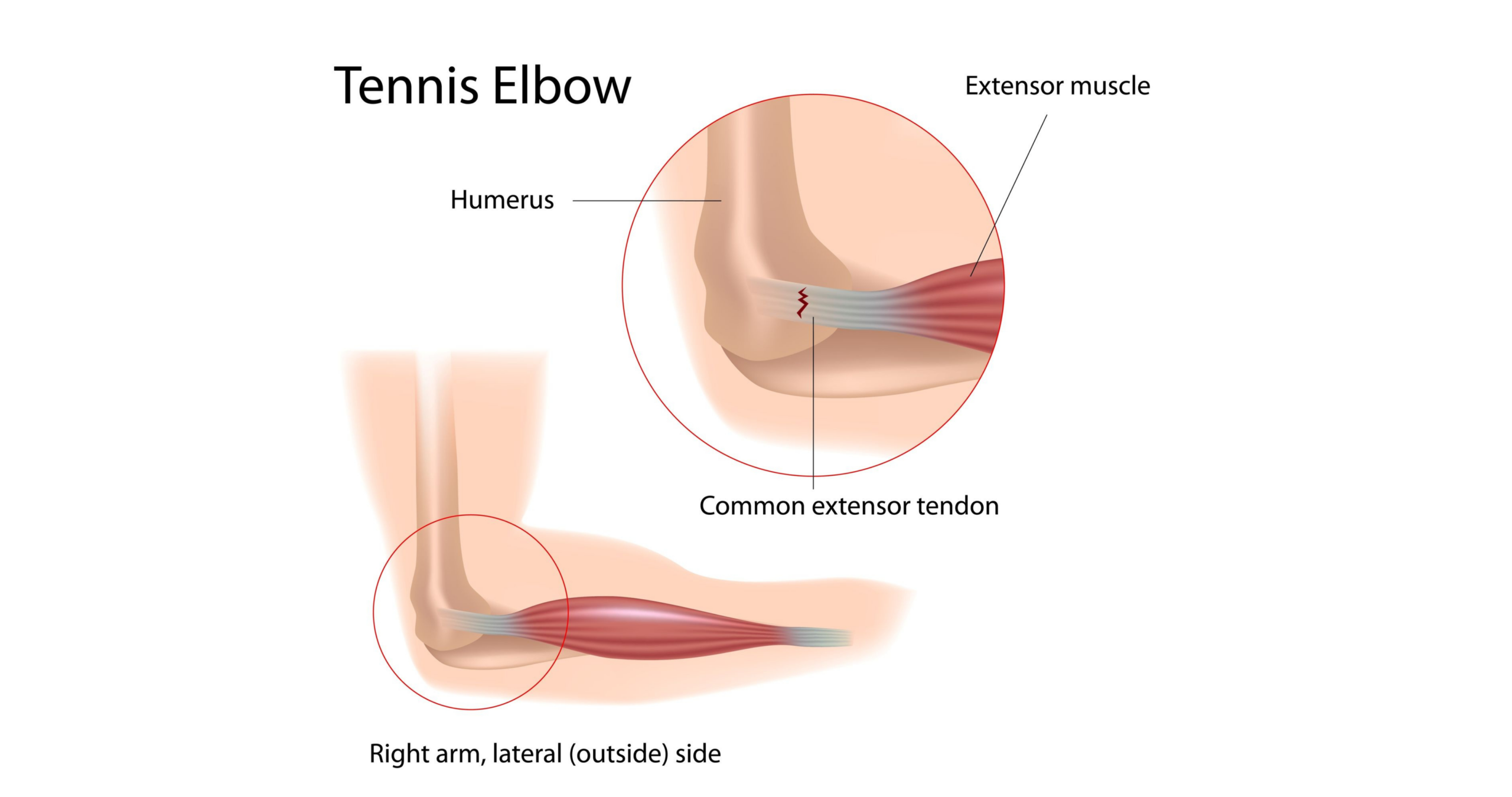
Tennis elbow, medically known as lateral epicondylitis, is a common condition that causes pain and tenderness on the outside of the elbow. Despite its name, this injury affects far more than just tennis players. It is a form of tendinopathy, a chronic issue affecting the tendons that join the forearm muscles to the outside of the elbow. These muscles and tendons are responsible for extending your wrist and fingers. When you repeatedly use them for activities like gripping, lifting, or typing, microscopic tears can develop in the tendon, leading to pain and inflammation. Understanding how to prevent a tennis elbow injury can be important for anyone who engages in repetitive arm movements, whether at work, in sports, or during daily chores.
Key Takeaways
- Optimize your workspace and tools to minimize strain on your forearm tendons, especially during prolonged computer use or manual tasks.
- Incorporate specific exercises to build strength in your forearm extensors and flexors, as well as the stabilizing muscles of your shoulder and core.
- Review and correct your form in sports like tennis and pickleball, or in repetitive hobbies, to distribute forces more effectively and reduce stress on the elbow.
- Recognize and respond to early warning signs of discomfort or fatigue by taking breaks and modifying activities.
Understanding the Mechanics of Tennis Elbow
Lateral epicondylitis is not typically the result of a single traumatic event. Instead, it often arises from the cumulative effect of repetitive motions and overuse. The primary issue involves the extensor carpi radialis brevis (ECRB) muscle and tendon. This tendon attaches to the lateral epicondyle, the bony bump on the outside of your elbow.
When you grip an object, lift something, or swing a racquet, the ECRB muscle works to stabilize your wrist. If the wrist is not stable, the muscle must work harder. Over time, this constant, strenuous activity can lead to tendon degeneration (tendinosis) and micro-tearing of the tendon fibers. Many factors may contribute to this overuse, including poor technique, inappropriate equipment, and a lack of conditioning. Addressing these underlying causes is the foundation of any successful prevention strategy.
The Foundation of Prevention: Strengthening and Conditioning
A strong, well-conditioned musculoskeletal system is your defense against overuse injuries. Prevention is not just about avoiding activity; it is about preparing your body for the demands you place on it. A targeted strengthening program should focus on the forearm muscles, but it should also include the shoulder and core.
Targeted Forearm Exercises
These exercises specifically strengthen the muscles that stabilize the wrist. Perform these exercises slowly and with control. Consider starting with a light weight or no weight at all, gradually increasing resistance as your strength improves.
1. Wrist Extension
You can perform this exercise while sitting. Rest your forearm on a table with your palm facing down and your wrist hanging over the edge. Slowly lift your hand upward, extending your wrist. Then, slowly lower it back down.
2. Wrist Flexion
For this exercise, keep your forearm resting on the table, but turn your palm to face up. Slowly curl your wrist upward toward the ceiling. Then, slowly lower it back down. This targets the muscles on the underside of your forearm.
3. Supination and Pronation
Hold a light hammer or a similar object vertically in your hand. Rest your forearm on a table so your wrist is just off the edge. Slowly rotate your wrist so the hammer head moves from side to side. This exercise strengthens the muscles that rotate your forearm.
4. Grip Strengthening
A strong grip reduces the strain on the wrist extensors during gripping activities. Use a stress ball, a tennis ball, or a specialized grip-strengthening device. Squeeze the object firmly for a few seconds, then release.
The Importance of Proximal Strength
If your shoulder muscles are weak, they cannot effectively stabilize your arm during powerful movements. This forces the smaller forearm muscles to compensate, increasing the load on the elbow tendons.
- Shoulder Blade Squeezes: Practice pulling your shoulder blades back and down. This simple exercise activates the muscles that stabilize the shoulder.
- Rotator Cuff Exercises: Use resistance bands to perform external and internal rotation exercises. These movements strengthen the small muscles that keep the shoulder joint centered and stable.
- Core Engagement: A strong core provides the power for athletic movements. Incorporate planks, bridges, and other core-strengthening exercises into your routine.
Flexibility and Warm-Up Protocols
Skipping warm-ups is a common mistake that may increase your risk of injury. Cold muscles and stiff tendons may be less resilient and more prone to tearing under stress. A proper warm-up prepares the tissues for activity, increasing blood flow and elasticity.
Warm-Up (Before Activity)
A warm-up involves movement and should last about five to ten minutes. It is designed to gently increase your heart rate and warm up the specific muscles you will be using. Warm-up exercises may include:
- Wrist Rolls: Gently roll your wrists in both clockwise and counter-clockwise directions.
- Cross-Body Mobility Stretch: Bring one arm across your chest and use the opposite arm to gently pull it closer to your body.
- Shadow Swings: If you are playing a racquet sport, perform light, slow practice swings to mimic the motion of the game.
Static Stretching (After Activity)
Static stretching is most effective after activity, when the muscles are warm. Stretching the wrist extensors and flexors can help maintain forearm flexibility and reduce post-activity tightness. For example, to stretch the wrist extensors, extend your arm in front of you with the palm facing down and gently bend the wrist downward using your opposite hand. To stretch the wrist flexors, extend the arm with the palm facing up and gently bend the wrist downward.
Ergonomics: Preventing Tennis Elbow in the Workplace
Tennis elbow is not limited to athletes. Many people develop this condition from repetitive tasks in their professional lives. Optimizing your workspace and tools is a key part of how to prevent a tennis elbow injury in a non-sports setting.
Computer and Desk Setup
Prolonged computer use, especially with an improperly positioned mouse and keyboard, can strain the forearm muscles.
- Keyboard Position: Ensure your keyboard is positioned so your forearms are parallel to the floor. Your wrists should be straight, not bent up or down.
- Mouse Use: Use a mouse that fits your hand comfortably. A mouse that is too large or too small can force an awkward grip. Keep the mouse close to your body to avoid reaching.
- Chair and Posture: Sit with good posture. Your feet should be flat on the floor, and your back should be supported. Poor posture can affect the alignment of your shoulder and arm, ultimately increasing strain on the elbow.
Tool and Equipment Modification
For those who use hand tools, small changes can make a big difference in preventing injury.
- Handle Size: Use tools with handles that are appropriately sized for your hand. Handles that are too small require a tighter, more forceful grip, which can overwork the forearm muscles.
- Vibration Dampening: If your work involves vibrating tools, use anti-vibration gloves or tools with built-in dampening features. Vibration can contribute to muscle fatigue and tendon strain.
- Power Tools: Whenever possible, substitute manual tools with power tools to reduce the physical effort required for repetitive tasks like screwing or hammering.
Technique and Form: Reducing Stress During Activity
In sports and hobbies, poor technique is a common contributor to lateral epicondylitis. When forces are not absorbed by the larger muscles of the legs, core, and shoulder, they travel down the kinetic chain and concentrate at the elbow.
Racquet Sports (Tennis and Pickleball)
In racquet sports like tennis and pickleball, pay close attention to your form and equipment:
- The Backhand: Many experts suggest using a two-handed backhand, as this engages the larger muscles of the torso and non-dominant arm, reducing the load on the dominant elbow. If you use a one-handed backhand, focus on hitting the ball with an open stance and leading with your shoulder and body rotation, not just your arm.
- Grip Size: A grip that is too small requires excessive gripping force, which strains the forearm muscles. A grip that is too large can also be problematic.
- Racquet Weight and String Tension: A heavier racquet may absorb more shock, but it also requires more strength to swing. A lighter racquet is easier to swing but may transmit more vibration. String tension also plays a role; lower tension can offer more power and less shock. Experimenting with equipment can help you find the optimal setup for you.
- Ball Contact: Try to make contact with the ball further out in front of your body. This allows you to use your body weight and momentum, rather than relying solely on your arm strength.
The principles of proper technique apply to all activities involving repetitive gripping and twisting.
Lifestyle and Self-Care Strategies
Rest and Recovery
Tendons require time to heal and adapt to stress. Pushing through pain is counterproductive and can turn a minor irritation into a chronic problem.
- Scheduled Breaks: If your activity is repetitive, build short, frequent breaks into your schedule.
- Activity Modification: If you feel pain, stop the activity. Consider substituting the painful activity with a less strenuous one for a few days or weeks.
Nutrition and Hydration
Your body needs the right building blocks to maintain healthy tendons.
- Hydration: Dehydrated tissues may be less elastic and more susceptible to injury. Drink plenty of water throughout the day, especially before, during, and after physical activity.
- Balanced Diet: A diet rich in lean protein, which provides amino acids for tissue repair, and anti-inflammatory foods, such as fruits, vegetables, and omega-3 fatty acids, can support tendon health.
Bracing and Support
In some cases, a counterforce brace or an elbow sleeve may be a useful preventive tool, particularly if you know you will be engaging in a high-risk activity.
- Counterforce Brace: This strap wraps around the forearm just below the elbow. It works by compressing the muscle, which changes the angle of pull on the tendon and reduces the tension at the tendon’s attachment point on the elbow. It is a temporary aid, not a substitute for strengthening and technique correction.
- Wrist Splint: For activities that require a lot of wrist movement, a simple wrist splint may help keep the wrist in a neutral, stable position, thereby reducing the workload on the forearm muscles.
When to Consult a Specialist
If your pain persists despite several weeks of rest and modification, or if the pain is severe and limits your daily activities, consider consulting an experienced elbow specialist. A specialist can diagnose your condition and rule out other potential causes of elbow pain. They may recommend a more structured treatment plan, which could include physical therapy and various non-surgical treatments. In some cases, regenerative therapies such as platelet-rich plasma (PRP) injections may be considered to support tendon healing when symptoms persist. Surgery is typically reserved as a last resort for patients whose symptoms are severe and have not improved after several months of comprehensive non-operative treatment.
Summary
By understanding the biomechanics of the injury, you empower yourself to make informed choices about your activities and environment. Remember that a strong foundation of forearm, shoulder, and core strength supports elbow strength. Couple this strength with consistent warm-up and stretching routines. Pay close attention to your technique in sports and your ergonomics in the workplace. By adopting these strategies, you can help reduce your risk of developing tennis elbow.
Frequently Asked Questions
Is tennis elbow only caused by playing tennis?
No, the name is misleading. Tennis elbow, or lateral epicondylitis, is an overuse injury caused by any repetitive activity that strains the forearm muscles and tendons. This includes activities like gardening, carpentry, painting, and prolonged computer mouse use.
Can changing my computer mouse help prevent tennis elbow?
Yes, an improperly sized or positioned mouse can force your wrist into an awkward, extended position that strains the extensor tendons. Switching to an ergonomic mouse, such as a vertical mouse, or simply ensuring your mouse is close enough to your body to keep your wrist straight may help reduce the risk of developing computer-related tennis elbow.
What is the difference between tennis elbow and golfer’s elbow?
Tennis elbow (lateral epicondylitis) causes pain on the outside of the elbow, affecting the tendons that extend the wrist. Golfer’s elbow (medial epicondylitis) causes pain on the inside of the elbow, affecting the tendons that flex the wrist. Both are overuse injuries, but they affect different muscle groups.