When a patient develops a tendon injury, early-stage shoulder arthritis, or a chronic soft tissue condition, platelet-rich plasma (PRP) therapy may be one potential treatment. This approach relies on your body’s own biological materials. When performed properly, PRP may help stimulate the body’s natural healing response. Before moving forward, however, it’s important to understand platelet-rich plasma side effects, including what reactions are commonly expected, which symptoms may signal a problem, and why the experience and technique of the doctor performing the injection matter more than many patients realize.
Key Takeaways
- Platelet-rich plasma side effects are generally mild and temporary, but patients should prepare for them.
- PRP is autologous, meaning it comes from your own blood. This reduces, though does not eliminate, the risk of adverse reactions.
- Anti-inflammatory medications should typically be avoided before and after treatment, as taking them can undermine the healing process PRP sets in motion.
- A skilled orthopedic surgeon with intimate knowledge of anatomy can help minimize the likelihood of side effects by using precise technique, imaging guidance when indicated, and a treatment plan tailored to the individual patient.
How PRP Works
Your blood carries platelets, tiny cells packed with growth factors that coordinate the body’s healing response. Platelet-rich plasma (PRP) therapy extracts and concentrates those platelets, then delivers them to the tissue that needs repair.
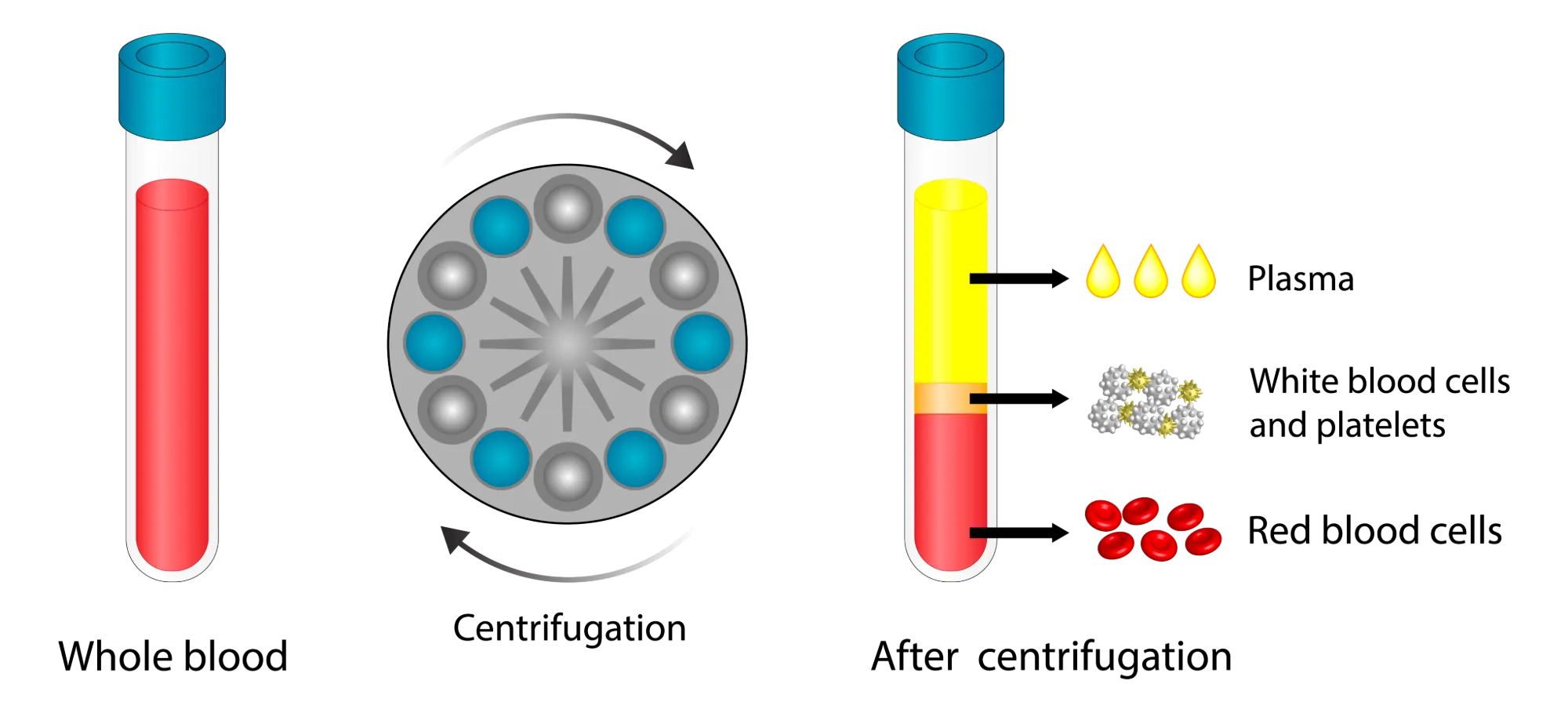
Here’s how it works in practice. A small volume of your blood is drawn, placed in a centrifuge, and spun to separate the platelets into a concentrated layer. That layer, the PRP, contains a higher concentration of platelets than is typically found in circulating blood, which may increase the availability of growth factors involved in the healing process. When injected into a damaged tendon, arthritic joint, or inflamed soft tissue, those growth factors may activate the cellular signaling that drives repair and regeneration.
PRP therapy may be used to treat injuries in the shoulder and elbow. These areas contain several important soft-tissue structures, including tendons, ligaments, joint cartilage, and bursae, that can become irritated, inflamed, or damaged over time. In the shoulder, this may involve structures like the rotator cuff tendons, biceps tendon, glenohumeral joint, labrum, or subacromial bursa. In the elbow, conditions such as tendon degeneration from repetitive strain are common. PRP may be considered for patients dealing with tendinopathy, early-to-mid-stage arthritis, or certain soft tissue injuries that have not improved with rest, physical therapy, or anti-inflammatory medications.
Because PRP is autologous, derived entirely from your own cells, it sidesteps many of the concerns that come with synthetic treatments or donor-derived biologics. True allergic reactions are rare. That lower baseline risk is one of the features that makes PRP so attractive to patients and doctors alike. Still, PRP may come with possible side effects.
The Most Common Side Effects to Expect
A Temporary Pain Flare
After a PRP injection, patients may experience a pain flare at the injection site. This reaction isn’t usually a red flag. It’s biology. The concentrated platelets trigger a local inflammatory cascade, which is the opening act of the tissue repair process. Basically, the delivery of PRP tricks your body into thinking there has been an acute injury in the area, which heightens the body’s natural reparative process.
What matters is managing expectations. Patients who know this is coming tend to handle it better than those caught off guard. Plan for some downtime, and don’t interpret early soreness as a sign the treatment has failed.
One note: do not reach for ibuprofen, naproxen, or aspirin to get through this period. Anti-inflammatory medications suppress the inflammatory response, and since that response is central to how PRP works, NSAIDs may undermine your results. I advise patients to avoid anti-inflammatory medications for at least two weeks following the procedure.
Swelling and Local Tenderness
Swelling around the injection area is common and typically peaks within the first 48 to 72 hours. The area may feel puffy, tight, or tender to the touch. For most patients, this settles without any specific treatment. It is best to avoid icing the area, as this can dampen the effectiveness of the PRP. Heat is ok.
Some patients notice that certain movements, particularly lifting the arm overhead or reaching across the body, feel more restricted than usual in the first week following the injection. This tends to reflect the post-injection inflammatory environment rather than any structural change. Light, gentle movement is often preferable to full immobilization. Keeping the joint completely still can allow stiffness to set in.
Bruising
Both the blood draw and the injection itself can leave bruising. This is especially true for patients who bruise easily, take blood thinners, or have fragile skin. It typically clears within a week to ten days. If you take blood thinners, make sure your doctor knows well before the appointment date.
Lightheadedness or Vasovagal Response
A small number of patients feel faint or lightheaded during the blood draw or immediately before the injection. This is a vasovagal response, a nervous system reaction to the anticipation of a needle or the sight of blood, and it’s not unique to PRP. It tends to pass quickly. An experienced clinical team will position patients thoughtfully, monitor closely, and take steps to minimize this risk.
Infection Risk
Any procedure that breaks the skin carries some risk of infection, and PRP is no exception. That said, the risk is considered very low when the procedure is performed under strict sterile technique. What patients should watch for: escalating redness, increasing warmth, fever, or drainage from the injection site in the days following the procedure. These are not normal healing signs and should prompt an immediate call to your doctor.
Nerve Sensitivity
In some cases, a nearby nerve may become irritated, resulting in tingling, numbness, or a radiating sensation down the arm. This type of complication is uncommon and is typically temporary.
Less Common Platelet-rich Plasma Side Effects
Beyond the typical post-procedure responses, a handful of less common platelet-rich plasma side effects are worth understanding before you begin treatment.
In rare cases, patients may report feeling generally unwell for a short period after the injection, although systemic symptoms are uncommon. Calcification at the injection site is another rarely reported outcome. The mechanism isn’t fully understood, and it remains an uncommon finding.
Lack of improvement is also worth naming plainly. PRP doesn’t work equally well for every patient or every condition. Patients with very advanced arthritis, for example, are generally considered poor candidates, as the structural deterioration has likely progressed beyond what regenerative therapy can meaningfully address. An experienced orthopedic specialist who selects candidates carefully, rather than offering PRP to everyone who asks, is doing patients a genuine service. For most conditions treated with PRP, we don’t exepct measurable improvement before 6-12 weeks from the time of treatment.
Variables That Shape Your Individual Experience
Not every patient who receives PRP will have the same experience. Several factors may influence the nature and intensity of your side effects.
The extent of your underlying injury plays a role. Tissue that has sustained significant structural damage may respond more intensely to the injection than tissue with milder injury. Your inflammatory baseline, how your immune system tends to respond to stimulation, also matters.
How the PRP is prepared can influence outcomes. Platelet concentration, white blood cell content, and whether the PRP is activated before injection are all variables that may differ across doctors and protocols.
Your habits in the days before treatment may have more influence than most patients expect. Diet, sleep, hydration, activity level, and medication use may affect the quality of the blood you bring to the procedure, and by extension, the quality of the PRP derived from it. I ask my patients to cut out refined sugars, alcohol, and processed foods for at least a week before treatment. I also ask that patients stay active, avoid anti-inflammatory medications beforehand, and get adequate rest.
Finally, your overall health status matters. Certain systemic conditions, such as active infection, specific blood disorders, and recent cancer, may increase risk or disqualify a patient from PRP candidacy entirely. A thorough evaluation before scheduling the procedure is important.
Why It Is Important to See an Experienced Specialist
The shoulder and elbow are not simple joints to inject. Each contains multiple distinct anatomical compartments that require precise technique and a detailed understanding of regional anatomy. In the shoulder, this includes areas such as the glenohumeral joint, subacromial space, acromioclavicular joint, and the biceps tendon sheath. In the elbow, structures like the common extensor tendon, common flexor tendon, joint capsule, and surrounding soft tissues may be targeted depending on the condition being treated.
Placing PRP in the wrong structure, or missing the intended target entirely, may increase the likelihood of adverse effects while eliminating the potential therapeutic benefit. That’s not a minor procedural variation; it can determine whether the treatment has a meaningful chance to help.
Experience as a surgeon provides a deep familiarity with the complex anatomy of the shoulder and elbow, which is essential when performing PRP therapy. When clinical circumstances warrant it, I use real-time ultrasound guidance to visualize the needle path and confirm that the PRP is being delivered to the intended structure.
Patient selection is another area where specialist training matters. Before recommending PRP, I review imaging, evaluate medical history, discuss functional goals, and consider the full clinical picture. Some patients who inquire about PRP ultimately are not strong candidates, and they deserve clear guidance about that rather than being scheduled for a treatment unlikely to help. Honest, individualized assessment is part of protecting patients and ensuring that PRP is used appropriately and ethically.
Summary
Platelet-rich plasma therapy can be a helpful option for patients with shoulder or elbow pain who are interested in regenerative treatments. While many patients experience potential benefits, it’s important to understand platelet-rich plasma side effects beforehand. These may include common reactions like temporary soreness, swelling, or stiffness, as well as less common risks such as nerve irritation, infection, or lack of response.
Understanding these possibilities helps patients make informed decisions and ask the right questions about their care. The experience and training of the specialist performing the injection also plays an important role in both safety and outcomes.
Frequently Asked Questions
How long do platelet-rich plasma side effects typically last?
Most post-injection side effects, including pain, swelling, and stiffness, resolve within one to two weeks. The body’s inflammatory response peaks early and gradually settles as the repair process progresses. Symptoms that worsen after the first week, or that don’t improve by two weeks, may be worth discussing with your doctor.
Can I take anything for the pain after my PRP injection?
Anti-inflammatory medications should be avoided for at least two weeks after the procedure. They may interfere with the healing process. Acetaminophen is generally considered a safer option for managing discomfort during this period, but confirm with your doctor’s office before taking anything.
How do I know if I’m a good candidate for shoulder PRP?
Candidacy for PRP in the shoulder depends on your diagnosis, the extent of tissue damage, your overall health, and your treatment goals. Patients with early-to-mid stage arthritis or certain tendon conditions tend to be more likely candidates. Those with severe arthritis, active infection, or certain systemic conditions may not be appropriate candidates. Your doctor should conduct an evaluation before making any recommendations.
How long will it take to know if PRP worked?
I advise patients to allow three to six months before drawing conclusions about treatment response. PRP works through a gradual biological process. Early discomfort doesn’t predict outcome, and the absence of immediate relief doesn’t mean the treatment has failed.