The shoulder is one of the most complex and functional joints in the human body, allowing an exceptional range of motion needed for everyday activities and athletic performance. However, this mobility comes at a cost, as its intricate structure makes it prone to injury, degeneration, and disease. When conservative treatments are no longer effective, and pain or weakness significantly limits daily life, reconstructive shoulder surgery may offer a path forward. In this post, we’ll explore the primary types of reconstructive procedures, the conditions they address, and what patients can expect during recovery.
Key Takeaways
- Reconstructive shoulder surgery is a term that covers procedures that repair, rebuild, or replace damaged shoulder structures.
- Shoulder replacement is a type of reconstruction. It includes the total shoulder replacement and reverse shoulder replacement procedures.
- Rehabilitation is an important step in the process, typically involving a phased physical therapy program.
Understanding Reconstructive Shoulder Surgery
Reconstructive shoulder surgery is not a single operation, but rather a category of advanced procedures designed to fix severe damage that simpler treatments cannot address. The goal is to restore the shoulder’s original anatomy and function, which sometimes means rebuilding the joint and other times means replacing it entirely.
Surgeons use these techniques for many conditions, including arthritis, complex fractures, chronic shoulder instability, and rotator cuff tears. The decision to proceed with surgery always follows a thorough diagnostic process to ensure the best possible outcome.
Primary Types of Reconstructive Shoulder Surgery
Reconstructive shoulder surgery encompasses several distinct procedures, each addressing a set of problems. The choice of surgery ultimately depends on the patient’s diagnosis and the extent of the damage to the shoulder joint. An experienced shoulder surgeon can evaluate your condition and help guide the best treatment path for you.
Rotator Cuff Repair and Tendon Reconstruction
The rotator cuff is a group of four muscles and their tendons that stabilize the shoulder while allowing for rotation and lifting. Tears in these tendons can cause significant pain and weakness. Arthroscopy is the most common method for repairing rotator cuff tears, where the surgeon uses a small camera (arthroscope) and specialized instruments inserted through tiny incisions to repair or reattach the torn tendon.
This technique is often used for acute tears from an injury as well as chronic tears that cause persistent pain and weakness. The tear must be repairable, meaning the tendon tissue is healthy enough to hold stitches.
Shoulder Arthroplasty (Joint Replacement)
Shoulder replacement surgery is a procedure that may be used to treat severe shoulder arthritis and complex fractures. The surgeon replaces damaged parts of the joint with prosthetic components made of metal and plastic.
Total Shoulder Replacement
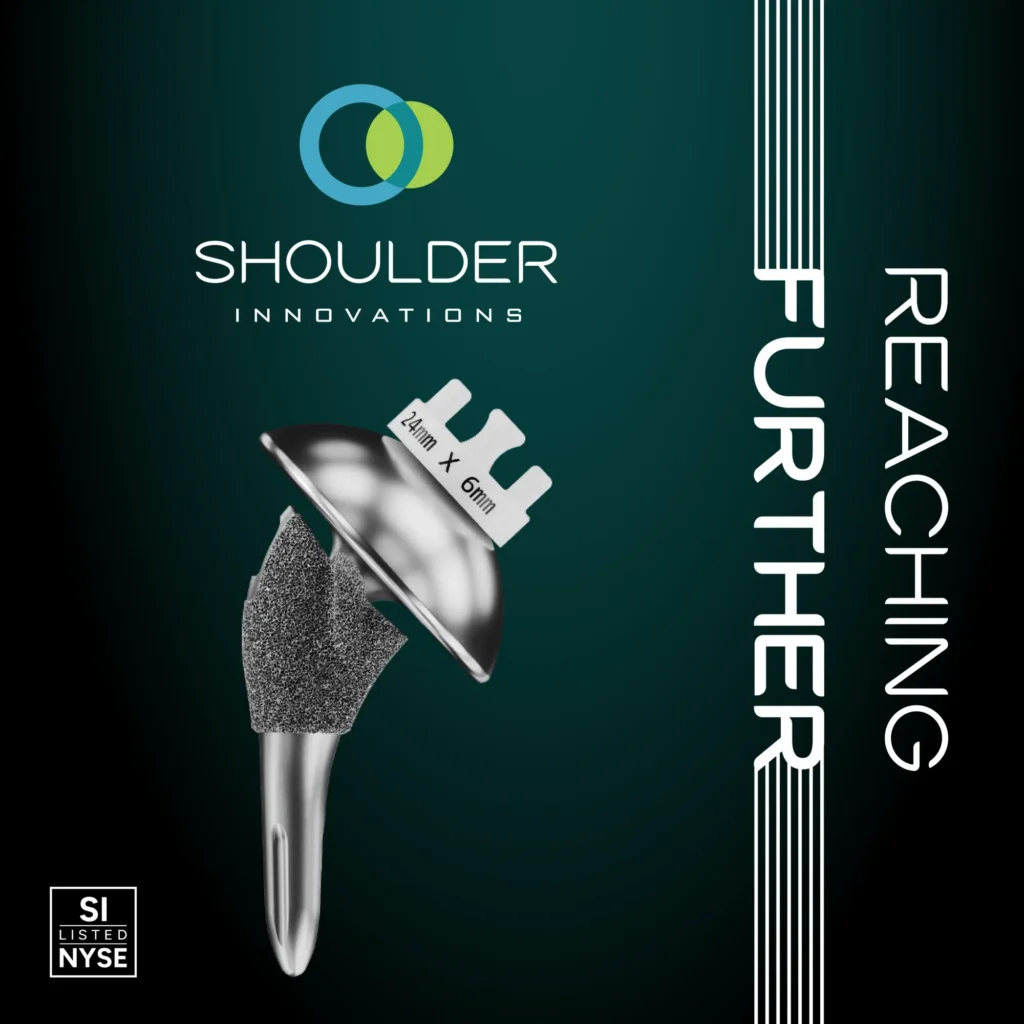
This procedure involves replacing both the ball (the head of the humerus) and the socket (the glenoid). The prosthetic components are designed to mimic the shoulder’s natural anatomy. Severe osteoarthritis is the most common reason for a total shoulder replacement. The procedure is generally recommended when the patient has an intact and functional rotator cuff.
Reverse Total Shoulder Replacement
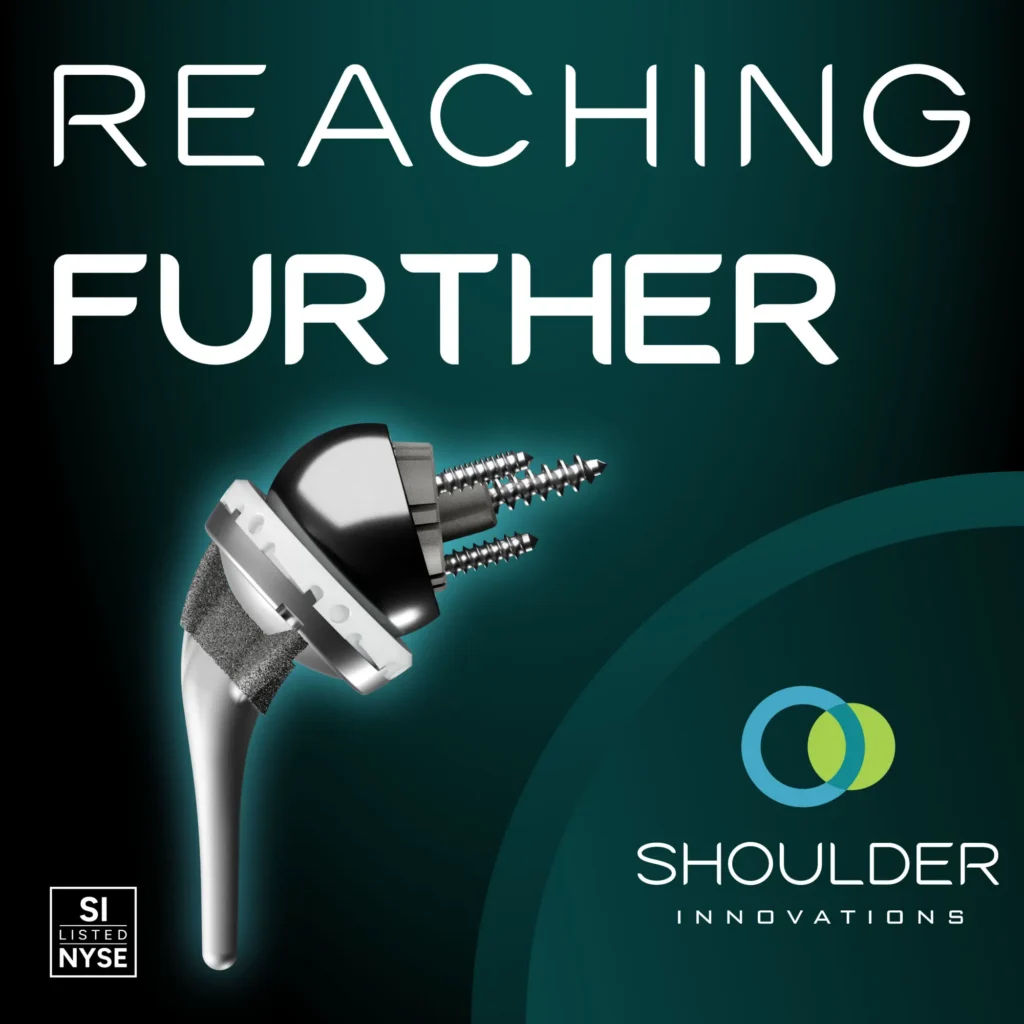
The reverse shoulder replacement is a revolutionary procedure that reverses the normal ball-and-socket anatomy. The surgeon attaches the ball component to the shoulder blade and the socket component to the top of the arm bone.
This design fundamentally changes the mechanics of the shoulder. It bypasses the damaged rotator cuff, relying instead on the deltoid muscle for lifting the arm. This may provide pain relief and restore the ability to lift the arm overhead for many patients. Reverse shoulder replacement is often used to treat cuff tear arthropathy, which is arthritis combined with a massive, irreparable rotator cuff tear. It may also be used for complex fractures.
Shoulder Stabilization and Labral Repair
Shoulder stabilization procedures are designed to address instability in the joint. Instability is when the shoulder repeatedly slips or dislocates due to injury, loosened ligaments, or structural damage.
Arthroscopic Labral Repair (Bankart Repair)
A Bankart tear is a common injury that happens when the shoulder dislocates, tearing the labrum away from the front of the socket. Using an arthroscope, the surgeon reattaches the torn labrum to the bone with small anchors and sutures, which also tightens the joint capsule. This repair is typically used for patients with recurrent shoulder dislocations or chronic instability, provided they do not have significant bone loss from the socket.
Latarjet Procedure
The Latarjet procedure is frequently used to treat significant instability. The surgeon moves a piece of bone (the coracoid process) and attaches it to the front of the glenoid. This bone graft acts as a physical block to prevent the shoulder from dislocating.
The Patient Journey: What to Expect
While timelines may vary depending on the procedure, the patient journey involves three main phases: pre-surgical preparation, the procedure itself, and the recovery period.
Pre-Surgical Preparation
Thorough preparation is key to a successful outcome. The surgeon will review all medications and may ask the patient to stop certain supplements. It is also important to prepare the home environment, as simple tasks may become challenging while wearing a sling. Patients should arrange for help with daily activities, have comfortable clothing ready, and remove tripping hazards to prevent falls.
The Procedure
The surgery itself is a carefully planned event, typically performed with a combination of general anesthesia and a nerve block that numbs the shoulder and arm for post-operative pain control. The duration of the surgery varies depending on the complexity of the procedure. Afterward, the patient is moved to a recovery room for close monitoring.
Recovery and Rehabilitation
Initially, following surgery, pain management is a top priority, and the operated arm is immobilized in a sling to protect the repair or replacement. Patients receive clear instructions for wound care and learn how to manage the initial pain.
As part of rehabilitation, most patients will begin physical therapy. The physical therapy program progresses in stages. It generally begins with passive range of motion, where the therapist moves the arm, followed by active-assisted, and finally active range of motion and strengthening.
Patients must follow all restrictions, including avoiding heavy lifting and certain movements to protect the site. Returning to activities like driving and sports is a gradual process that requires clearance from the surgeon and therapist.
Summary
The shoulder is a complex joint, and damage to it can be debilitating, affecting a person’s work, hobbies, and overall quality of life. Reconstructive shoulder surgery offers a potential solution that may alleviate chronic pain and restore lost function. The procedures are varied and highly specialized, ranging from arthroscopic repair to total joint replacement, with each one tailored to the patient’s unique condition.
Frequently Asked Questions
How long is the recovery after reconstructive shoulder surgery?
Recovery time varies by procedure. An arthroscopic repair may take around three to four months, while a total shoulder replacement can take six months to a year or longer for full recovery. The first six weeks are typically the most restrictive.
What is the difference between arthroscopy and open surgery?
Arthroscopy is a minimally invasive technique that uses small incisions and a camera, which may lead to less tissue damage and a faster initial recovery. Open surgery requires a larger incision, which may be necessary for more complex procedures.
Can I still play sports after reconstructive shoulder surgery?
Many patients return to their favorite activities, including golf, swimming, and tennis. However, high-impact or contact sports may be restricted depending on the initial injury and the procedure. Your surgeon will provide specific guidance based on your procedure and personal goals.